




~PM Says Utility Sought Answers on Fuel Charges as Consumers Continue to Shoulder Rising Electricity Costs~
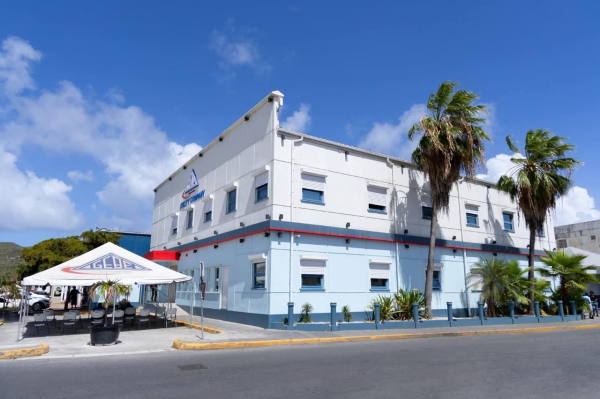 PHILIPSBURG — Negotiations between NV GEBE and fuel supplier Sol have broken down amid a dispute over fuel pricing transparency, with Prime Minister Dr. Luc Mercelina revealing in Parliament that the utility company was unable to obtain detailed justification for several costs embedded in the fuel price ultimately paid by consumers.
The disclosure emerged during Friday's continuation of Parliament's long-delayed GEBE meeting, where Members of Parliament pressed the government for answers regarding high electricity bills, fuel clause charges, and the ongoing debate over consumer relief.
According to Mercelina, efforts to negotiate a new fuel agreement between GEBE and Sol stalled after the utility requested greater transparency regarding the various charges included in fuel pricing.
The Prime Minister said Sol maintained that several components of its pricing structure—including freight costs, insurance, procurement expenses and loss allowances—were pass-through costs that had to be absorbed by GEBE. However, when supporting documentation and detailed justification were requested, the information was not provided to GEBE's satisfaction.
Questions Over What Consumers Are Paying For
The fuel dispute comes at a time when residents are increasingly scrutinizing the fuel clause attached to electricity bills.
For years, consumers have argued that they have little visibility into how fuel-related costs are calculated, despite these costs being one of the largest components of monthly electricity bills.
During the parliamentary debate, the Prime Minister confirmed that GEBE sought additional clarification on the fuel pricing structure, as the costs are ultimately passed on to consumers through the utility's tariff system.
The issue has become even more sensitive amid growing public calls for relief and the formation of Consumer Protection St. Maarten (ACP-SXM), which has announced a public march to protest high electricity costs and fuel clause charges.
Sol Cites Global Market Pressures
According to the Prime Minister, Sol attributed significant increases in fuel-related charges to international developments, including the COVID-19 pandemic and the war in Ukraine.
However, Mercelina told Parliament that the increases were not sufficiently substantiated or transparent.
While Sol maintained that certain costs were legitimate pass-through expenses, the government's concern centered on the inability to independently verify how those charges were calculated and whether they accurately reflected market realities.
Monopoly Concerns Surface
Perhaps the most significant revelation during the debate was the government's acknowledgment of the structural challenges facing the fuel market on St. Maarten.
Mercelina noted that Sol's ownership of fuel storage infrastructure and its established distribution network create significant barriers for alternative suppliers seeking to enter the market.
The Prime Minister stated that these realities contribute to what many observers describe as a monopolistic environment, limiting competition and reducing GEBE's negotiating leverage.
The result is that GEBE remains heavily dependent on a single supplier for the fuel required to generate electricity for the country.
Government Seeking Long-Term Solutions
The Prime Minister stressed that the government is not treating the dispute as a political conflict but as a broader issue involving energy security, regulation, and market stability.
According to Mercelina, the Ministry of TEATT is currently working on a long-term strategy to strengthen GEBE's position in the fuel supply chain and reduce the utility's vulnerability to dependence on a single provider.
The government's objective, he said, is to ensure continuity of supply while creating conditions that provide greater stability and transparency in fuel procurement.
Why Fuel Costs Matter
The fuel dispute goes to the heart of the debate surrounding electricity prices.
Throughout the parliamentary session, the Prime Minister repeatedly argued that eliminating the fuel clause would not solve the underlying problem, as fuel remains the largest cost driver in electricity production.
As long as St. Maarten remains dependent on imported fossil fuels, fluctuations in fuel pricing will continue to influence electricity costs. The government has therefore linked long-term relief not only to tariff reform but also to diversification of energy sources and increased investment in renewable energy.
A Debate Far From Over
Friday's revelations are likely to intensify public scrutiny of both fuel procurement practices and electricity pricing.
For consumers, the central question remains straightforward: if fuel costs are driving electricity prices higher, how much of those costs are unavoidable, and how much should be subject to greater transparency and oversight?
That question is expected to remain at the forefront of public debate as Parliament continues its examination of GEBE and as consumers prepare to take their concerns directly to the streets.
The breakdown in negotiations between GEBE and Sol has now placed that issue squarely at the center of the national conversation.
 PHILIPSBURG: --- NV GEBE is disconnecting customers without a formally approved disconnection policy, according to information presented in Parliament on Friday, raising new questions about consumer protections as public frustration over electricity costs continues to grow.
 PHILIPSBURG:--- Orco Bank, Sint Maarten, today launches AutoXperience SXM 2026, a two-week Car Loan campaign designed to put more island residents in the driver’s seat of a brand-new car. Running from June 12 through June 26, 2026, the campaign offers some of the most accessible car financing terms ever available on the island, culminating in a flagship live sales event on Saturday, June 27, in collaboration with four local car dealerships: First Auto SXM, Real Auto SXM, Motorworld SXM, and Saint Martin Cars.
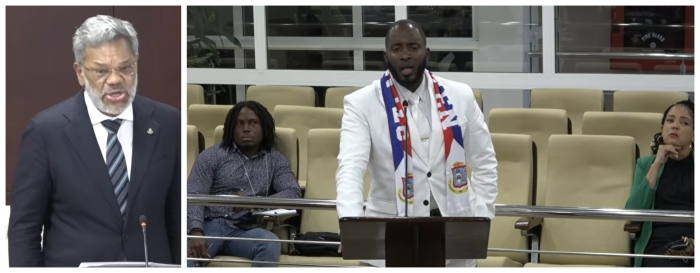 PHILIPSBURG:--- With a public march scheduled for Monday and growing frustration over electricity bills and fuel clause charges, Parliament on Friday heard a recurring message from Prime Minister Dr. Luc Mercelina: relief for consumers remains under review, but government cannot simply order GEBE to lower rates or eliminate charges.
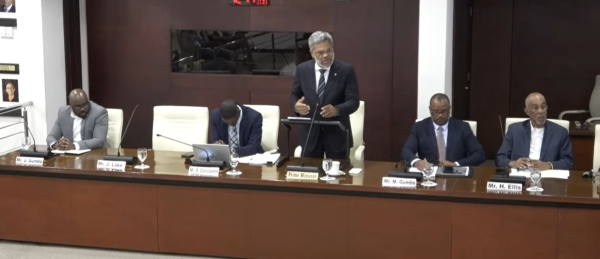 PHILIPSBURG:--- Prime Minister Dr. Luc Mercelina on Friday defended the government's actions regarding NV GEBE, answering a series of questions originally posed nearly a year ago as Parliament resumed a long-delayed public meeting on the utility company's governance, finances, and operations.