~Open letter raises concerns about student safety, classroom conditions, paid after-school lessons, and school management.~
 PHILIPSBURG: --- A group identifying itself as Parents and Residents of St. Maarten has issued a strongly worded open letter to Education, Culture, Youth and Sport (ECYS) Minister Melissa Gumbs and Methodist Agogic Center (MAC) Principal Mr. White, calling for immediate intervention to address what they describe as a growing list of problems affecting students, teachers, and parents.
The letter outlines concerns ranging from overcrowded classrooms and inadequate support for children with special educational needs to poor sanitation, teacher absences, ventilation in classrooms, and the regulation of privately operated afternoon classes.
Parents argue that schools are increasingly transferring responsibilities that belong to educators into families.
"Parents should support their children's education," the letter states, "but instruction, supervision, classroom management, differentiation, and academic intervention remain the responsibility of the school."
According to the parents, teachers and school management are professionally trained and compensated to provide these services, and parents should not be expected to compensate for shortcomings in staffing, planning, or classroom support.
Concerns Over Large Classes
One of the major issues highlighted is classroom size, with parents claiming that some classes have between 23 and 26 students without teacher aides.
They argue that these conditions make it nearly impossible for teachers to provide individualized attention or properly support students who require additional educational assistance.
The letter specifically calls for intervention plans for children with learning disabilities, behavioral challenges, ADHD, and other special educational needs.
Parents are urging the Ministry to fund teacher assistants for larger classrooms to help with supervision, organization, and small-group instruction.
Minister's Visit Must Produce Results
The parents also questioned what has happened following the Minister's previous visit to the school.
"If the concerns were serious enough for a ministerial visit," the letter states, "parents should now be seeing clear action, timelines, and accountability."
They are requesting a written update explaining what measures have been implemented and when outstanding issues will be addressed.
Dirty Bathrooms and Poor Learning Environment
Another issue raised concerns the condition of the school's bathrooms.
Students reportedly described the facilities as dirty, foul-smelling, and unpleasant to use.
Parents argue that clean and properly maintained bathrooms are not a luxury but a basic requirement for students’ health, dignity, and well-being.
They also cited complaints about poor classroom ventilation and uncomfortable learning conditions, calling for improvements in classroom safety and infrastructure.
Teacher Absences and Staff Morale
The letter raises concerns regarding teacher absences and the lack of substitute teachers, urging the Ministry to establish a clear substitute-teacher policy to minimize disruptions to learning.
Parents also reminded government that the unresolved 2.5 indexing issue affecting teachers and school staff should not be ignored.
According to the letter, fair compensation is directly linked to staff morale, teacher retention, and the overall quality of education.
The authors argue that unresolved employment issues should never result in additional financial pressure being placed on parents.
Claims of Poor Communication and Retaliation
Perhaps among the most serious concerns are allegations regarding the way some parents say they are treated when raising concerns about their children.
According to the letter, several parents feel they are spoken to disrespectfully or dismissed by certain staff members.
Even more troubling, some parents reportedly fear that after raising concerns, their children become targets in the classroom through discouragement, embarrassment, or differential treatment.
The letter urges school leadership to ensure that no student suffers retaliation because a parent exercised the right to ask questions or seek assistance.
Parents also called on administrators to prevent favoritism within the school and ensure that staff members are held accountable when complaints are substantiated.
Questions Over Paid Afternoon Classes
The open letter also raises questions regarding privately operated afternoon classes reportedly conducted by individual teachers.
According to the parents, families are paying approximately US$350 per month for these extra lessons.
They argue that such costs place a significant burden on many households, particularly single-parent families already struggling with the rising cost of living.
Parents are calling on the Ministry of Education and other relevant authorities to establish clear regulations governing paid after-school instruction.
Among their requests is that official receipts be issued for every payment collected and that all applicable tax obligations be complied with.
The letter also asks authorities to ensure that any commercial educational activities involving teachers are conducted transparently and within the law.
Food Safety Questions Raised
Parents additionally questioned situations where teachers or staff members may be preparing or selling food to students during school activities or private after-school sessions.
They argue that anyone preparing or serving food to children should possess the appropriate food handler certification and comply with all public health requirements.
They further requested inspections of any private homes or facilities being used for paid educational activities where food is prepared or served.
Child Protection Remains Central
The authors emphasize that student safety must remain the highest priority.
Referring to previous sexual misconduct cases involving school environments on St. Maarten, they argue that trust alone is insufficient to safeguard children.
They are calling for stronger safeguarding policies, improved supervision, clear reporting mechanisms, background screening where required, and greater accountability throughout the education system.
The letter stresses that schools must continually strengthen measures to prevent misconduct and ensure that every child learns in a safe environment.
Sixteen Recommendations
The parents conclude their appeal with 16 specific recommendations, including hiring teacher assistants, reducing class sizes where necessary, improving facilities, strengthening support for students with special educational needs, enforcing substitute-teacher policies, addressing bullying and retaliation, regulating paid afternoon classes, ensuring food safety compliance, improving communication with parents, and enhancing cooperation between schools, school boards, the Ministry of ECYS, parents, and relevant government agencies.
The letter ends with a direct appeal to government officials.
"Parents are not asking for excuses. Parents are asking for action, accountability, respectful communication, proper education, clean facilities, and real solutions for the children of St. Maarten."
At the time of publication, neither the Ministry of Education nor the management of the Methodist Agogic Center had publicly responded to the concerns outlined in the open letter.
Letter to the Minister of Education Melissa Gumbs.
To: Mrs. Gumbs
Minister of Education, Culture, Youth and Sport
Government of St. Maarten
And: Mr. White
Principal
Methodist Agogic Center
Subject: Concerns Regarding Student Safety, School Accountability, Parent Workload, Cleanliness, and Afternoon Classes
Dear Mrs. Gumbs and Mr. White,
We are writing to express serious concern regarding several ongoing matters affecting students, parents, and the wider school community at the Methodist Agogic Center.
Parents are increasingly concerned that too much of the school’s responsibility is being shifted onto parents. Parents should support their children’s education, but instruction, supervision, classroom management, differentiation, and academic intervention are the school's responsibility. Teachers and school leaders are trained and paid to carry out these duties, and parents should not be expected to make up for gaps in staffing, planning, communication, or classroom support.
There are also concerns about overcrowded classrooms, with some classes having approximately 23 to 26 students and no teacher’s aide. This makes it difficult to provide proper attention, differentiated learning, and support for students with special educational needs. Students with learning challenges, behavioral needs, ADHD, or other needs must be properly supported through clear intervention plans and proper communication with parents. For larger classes, the school should hire teacher assistants to support supervision, small-group instruction, classroom organization, and individual student support.
Parents are also concerned about teacher absences, poor ventilation, uncomfortable classroom conditions, and the lack of proper follow-up after the Minister’s visit to the school. If the concerns were serious enough to warrant a ministerial visit, parents should see clear action, timelines, and accountability.
There are also concerns about the cleanliness and hygiene of the bathrooms. According to students, the bathrooms are smelly, dirty, and unpleasant to use. This is unacceptable in a school environment. Clean, safe, repaired, and properly maintained bathrooms are a basic requirement for student health, dignity, and comfort.
The issue of the 2.5 indexing should also not be forgotten. Teachers and school staff must be treated fairly and compensated properly, as staff morale, teacher retention, and the quality of education are directly connected. When teachers feel fairly paid and respected, there is less pressure or temptation to shift extra costs back onto parents through paid afternoon classes or additional services. Education should not become an extra financial burden on parents because unresolved compensation issues are not being properly addressed.
There are also concerns about how some staff members communicate with parents. Parents should not be treated rudely, dismissed, or made to feel like a problem for raising valid concerns. Unfortunately, some parents feel that after they speak to teachers or raise concerns about their child, the child becomes targeted, discouraged, or demotivated in the classroom. This creates fear among parents and students and discourages open communication. Leadership must ensure that no child is treated unfairly because a parent has spoken up.
Leadership must also avoid favoritism, over-familiarity, or any appearance that staff members are being protected from accountability. When staff members are wrong, they must be corrected, and parent concerns must be handled fairly, professionally, and without retaliation.
We are also requesting clarity regarding the multiple afternoon classes being offered by individual teachers at an approximate cost of $350 per month. These classes should be properly monitored and regulated by the relevant authorities to protect students, parents, and staff. If fees are being collected, each parent or student should receive an official receipt. The school and relevant authorities must ensure that there is no promotion or practice of tax evasion in any form. The cost of $350 per month is also a heavy burden for many single parents and families and should be reviewed carefully.
In addition, if teachers or staff members are cooking, preparing, selling, or serving food to students, whether at school or during private afternoon classes at home, they should have the required food handler certificate or any other required approval. Homes or locations used for paid student classes where food is prepared or served should also be inspected by the necessary authorities. Student health and safety must come first, and food provided to children must be handled according to proper hygiene and safety standards.
Student safety must remain a top priority. Past sexual scandals in school environments remind us that trust alone is not enough. Proper safeguarding, supervision, background checks where required, reporting procedures, and accountability must be in place to protect every child.
We are asking for the following actions:
- Hire teacher assistants for large or overcrowded classes where additional support is clearly needed.
- Review class sizes and ensure proper student supervision and assistance.
- Support students with special educational needs through proper intervention plans.
- Improve classroom ventilation, comfort, and safety.
- Ensure bathrooms are cleaned, repaired, monitored, and maintained throughout the school day.
- Enforce a clear substitute-teacher policy when teachers are absent.
- Address bullying, name-calling, rude communication, and any form of retaliation against students or parents by teachers and students.
- Ensure no student is targeted, embarrassed, or demotivated because a parent raised a concern.
- Ensure compulsory education is fully implemented, including physical education and the full curriculum.
- Provide clear follow-up after the Minister’s visit, including written action points and timelines.
- Regulate individual teacher-paid afternoon classes and require official receipts for all payments. Stop the tax invasion.
- Review the high cost of paid afternoon classes, especially where parents are being charged approximately $350 per month.
- Ensure any teacher or staff member preparing, selling, or serving food to students has the required food handler certificate.
- Ensure any private home or location used for paid student classes and food preparation is inspected by the relevant authorities.
- Strengthen student safeguarding policies, supervision, reporting procedures, and accountability to protect children from misconduct or abuse. Lets not forget the sexual scandals in the past.
- Strengthen cooperation between the school, school board, MECYS, parents, and the relevant authorities.
Parents are not asking for excuses. Parents are asking for action, accountability, respectful communication, proper education, clean facilities, and real solutions for the children of St. Maarten.
Respectfully,
Parents and Residents of St. Maarten






 PHILIPSBURG:--- After an eight-year gap, St. Maarten's Department of Statistics (STAT) has officially launched the 2026 Labor Force Survey (LFS), a nationwide exercise that will determine the country's official unemployment rate, labor-force participation, employment levels, and provide policymakers with one of the most important economic snapshots since before the COVID-19 pandemic.
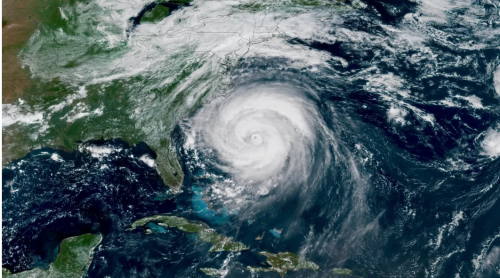 PHILIPSBURG (DCOMM):--- National Disaster Coordinator and Fire Chief Clive Richardson is calling on the country's business community, particularly those operating within the tourism and hospitality sector, to review and strengthen their hurricane contingency and business continuity plans as the 2026 Atlantic Hurricane Season progresses.
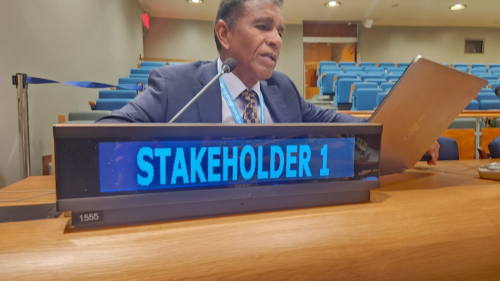 BONAIRE: 1 July 2026, James Finies announces to the people of Bonaire that, in recognition of the abolition of slavery in 1863 in the colonized Antillean islands of the Caribbean, the Bonaire Draft Resolution, sponsored by two Caribbean CARICOM countries, was formally submitted and registered into the administrative process of the 80th United Nations General Assembly on 10th June 2026.