





~World Tourism Day message calls for small hotels, local restaurants, taxi operators, and cultural businesses to be visible when travelers use AI to plan their trips.~
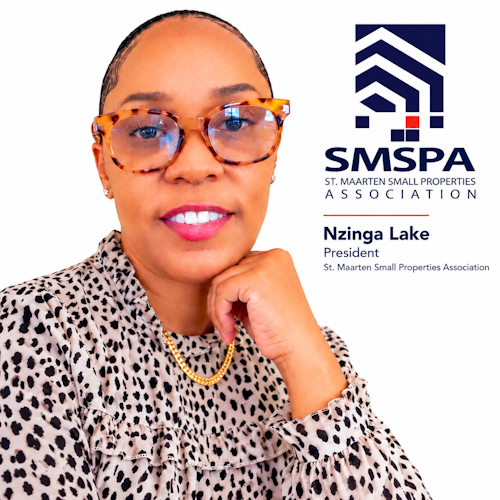 PHILIPSBURG:--- As more travelers use artificial intelligence to choose destinations and plan vacations, St. Maarten must ensure the technology introduces them to the whole island economy, not just its best-known hotels and resorts, according to St. Maarten Small Properties Association (SMSPA) President Nzinga Lake.
“When artificial intelligence tells the story of St. Maarten to the world, it must tell the whole story,” Lake said in the association’s World Tourism Day message on Sunday, September 27.
A traveler might soon ask an AI service to plan a five-day trip and receive recommendations for accommodation, restaurants, activities and shopping within seconds, Lake said. The question for St. Maarten is whether those recommendations will include a small neighborhood property, a family-owned restaurant, taxi operators, artists, excursions and other local entrepreneurs.
For SMSPA, the response should be a connected tourism technology strategy that improves the digital visibility of businesses across the sector, develops workers’ AI skills and uses tourism data to improve visitors’ experiences.
Lake said the island already has an example of tourism technology in use. Citing the St. Maarten Tourism Bureau, she said Amazon Alexa devices supporting the St. Maarten Virtual Concierge have been installed in more than 400 privately managed accommodations, including vacation rentals. The service gives guests access to information on activities, restaurants and events, as well as a channel for government information.
“We are already using the technology. Now we have to connect the dots,” Lake said.
She pointed to AI initiatives elsewhere in the Caribbean, including a digital concierge and tourism data work in Jamaica, training by the Caribbean Tourism Organization, and guidance from the Caribbean Hotel and Tourism Association. Her concern is that St. Maarten’s approach must serve the visitor’s entire journey, not just a single type of accommodation.
A guest may stay at a small property, ride in a taxi, eat at a locally owned restaurant, take an excursion, shop in Philipsburg, and visit a major resort, she said. To the guest, those businesses form one destination.
Lake also urged the industry to protect the personal service that brings visitors back. AI can suggest an itinerary or translate a message, she said, but it cannot replace a welcome from someone who remembers a returning guest or the local advice shared in conversation.
“AI can tell our story. It cannot become our story,” Lake said. “The future traveler may discover St. Maarten differently. But what they discover should still be unmistakably us.”