






Finance targets second quarter of 2027 for 2024 and 2025 statements; ministers acknowledge gaps in tracking unpaid bills
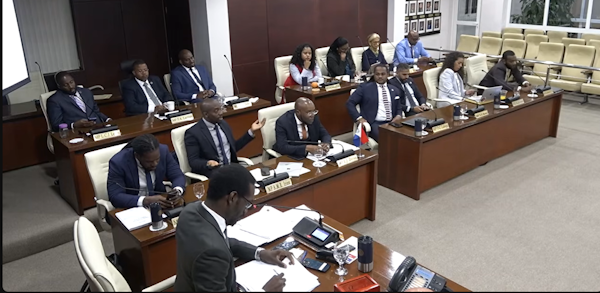 PHILIPSBURG:--- Parliament has approved the 2026 budget, but the debate exposed a much older accountability problem: government is still working to bring financial statements from previous years through the reporting process while preparing its next spending plan.
Finance Minister Marinka Gumbs told Parliament that the 2022 financial statements were being finalized for submission in the fourth quarter of 2026. The 2023 statements awaited a final report from the government audit body before the next stage of approval.
For 2024 and 2025, the target extends into next year.
“Our objective is to complete both the 2024 and 2025 financial statements and submit them to Parliament by the second quarter of next year,” Gumbs said during the August 24 responses.
The distinction matters. A budget sets out planned revenue and expenditure. Financial statements account for what actually happened. Approving another budget does not close the outstanding reporting cycle for earlier years.
Next budget may arrive before invoice system improvements
The debate also produced a direct warning about government’s ability to identify its unpaid obligations.
Asked whether a system that accurately identifies outstanding supplier invoices would be ready before the 2027 budget debate, Gumbs declined to commit.
“At this stage, I cannot confirm that the improved system will be fully in place before the 2027 budget debate, particularly as the draft budget is expected to be submitted to Parliament shortly,” she said.
Prime Minister Dr. Luc Mercelina, answering questions from MP Darryl York, likewise acknowledged that government did not have a consolidated overview of outstanding obligations and unpaid invoices across ministries dating back many years.
He explained that historical invoices continued to surface and that claims required verification, including whether they had been approved, whether supporting documents existed, and whether disputes or administrative obstacles remained.
That does not establish that every unpaid invoice is valid or that all obligations are absent from government’s records. It establishes that the complete picture was still being assembled.
De Weever’s objection went beyond presentation
MP Ludmila de Weever repeatedly raised the inconsistency between ministries that could provide information promptly and others that could not.
“This is the country's money, the people's money, the ones that we consistently go to in the same pool for tax collection,” she said on August 26.
De Weever acknowledged improvements in financial presentation but ultimately voted against the budget, which passed 10–5 on August 27.
Her objection drew a distinction between better documents and reliable control over commitments, expenses and unpaid bills.
MP Veronica Jansen-Webster also questioned the deadlines for the outstanding financial statements and what actual-expenditure information would support the 2027 budget.
Gumbs subsequently said the actual figures used in Budget 2027 would be based on the 2025 implementation reports. Government therefore pointed to interim reporting, not a lack of financial information, while the annual statements remained in progress.
Finance says responsibility rests across ministries
Gumbs rejected the notion that a new financial system alone would solve the problem.
“So, Mr. Chairman, a new ERP system alone will not solve the problem,” she said. “We also need proper processes, accountability, and discipline at the individual ministries.”
She said each ministry, through its Secretary General and financial controller, should account for its commitments and invoices, while Finance manages the central administration and payment process.
The minister described centralized receipt and registration of vendor invoices, followed by confirmation from the responsible ministry that goods or services had been delivered.
She also identified cases involving missing approvals, contracts, purchase orders, or evidence that the person making a commitment was authorized to do so.
Her proposed response was stronger enforcement of “no PO, no pay,” presented as a way to protect both public money and vendors.
A surplus is not a bank balance
Gumbs also cautioned MPs against treating a reported surplus as cash immediately available for spending.
Loan repayments and other obligations can reduce available cash without having the same effect on the reported financial result, she explained.
That distinction does not answer every complaint about late payment. It does explain why a positive financial result cannot, by itself, establish that government has unrestricted cash available.
The next accountability test is therefore broader than whether Budget 2027 arrives on time: Can Parliament see completed historical accounts, reliable current obligations and evidence that payment controls are being followed?
“The budget was late,” Gumbs acknowledged after the final vote. “That is a fact, and we must own it.”
The outstanding accounts and invoice controls now require the same clear ownership.