




~Former CEO Kenrick Chittick argues public frustration is driven by fuel costs, not base utility rates~
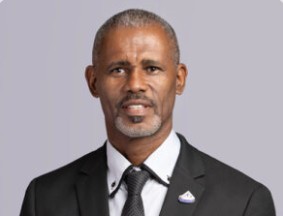 PHILIPSBURG:--- As public pressure mounts over electricity and water bills, former GEBE CEO and current Facilities Manager Kenrick Chittick is urging residents to look beyond perception and compare St. Maarten's utility rates with those of neighboring islands.
During Friday's GEBE press conference, Chittick challenged the notion that St. Maarten's electricity and water prices are among the highest in the region, citing figures published earlier this month that compare utility rates in Curaçao and St. Maarten.
According to Chittick, consumers in Curaçao currently pay approximately 76 cents per kilowatt-hour of electricity, while GEBE customers pay roughly 70 cents per kilowatt-hour.
The comparison, he said, becomes even more striking when looking at water rates.
"The water rate in Curaçao is 15 guilders and 40 cents per cubic meter of water. GEBE is $2.50 for the last 18 years," Chittick stated.
His comments came amid ongoing public debate surrounding rising utility bills and demands from the Association for Consumer Protection (ACP-SXM) for relief measures.
FUEL CLAUSE DRIVING COSTS
While defending GEBE's base rates, management acknowledged that consumers are feeling the impact of rising fuel costs.
Temporary Manager Iris Arrindell said the fuel clause remains the primary factor contributing to higher electricity bills and noted that global fuel prices have risen significantly since 2022.
The company presented figures showing fuel costs reaching levels not seen since previous oil price spikes and warned that ongoing international developments could place additional pressure on future utility bills.
According to Arrindell, many customers continue to compare their current bills with what they paid before the 2022 cyberattack. However, fuel prices increased substantially during that period, meaning payments based on historical averages are no longer sufficient to cover actual consumption.
QUESTIONS OVER FEES AND TAXES
Despite Chittick's comparison with Curaçao, members of the media raised concerns about various charges appearing on utility bills.
Among the issues discussed were fuel-related fees, government taxes and allegations that certain costs are effectively being passed on to consumers multiple times.
Journalists also questioned whether taxes associated with fuel purchases and other surcharges contribute significantly to the final amount customers pay each month.
Arrindell responded that some charges reflected on bills are government-imposed taxes rather than fees retained by GEBE.
She specifically noted that a 25-cent stamp charge, often criticized by customers, is a government tax and not a fee collected by the utility.
Regarding concerns over taxes embedded within fuel pricing, management indicated that many of those issues would ultimately need to be addressed through discussions between government and fuel suppliers rather than by GEBE itself.
"NO DECREASE" EXPECTED
Perhaps the clearest message delivered during the press conference was that customers should not expect utility rates to decline in the immediate future.
Asked whether consumers could reasonably anticipate reductions in electricity or water prices, Arrindell was unequivocal.
"I don't believe there will be a decrease," she said.
"On the contrary, we see increases."
She pointed to continued volatility in global fuel markets and rising operational costs as factors that make lower utility prices unlikely in the near term.
PRESSURE ON THE UTILITY
The debate over utility costs comes as GEBE faces its own financial challenges.
Management disclosed that only 58.6 percent of customers paid their May 2026 bills and that thousands of accounts remain delinquent.
Officials warned that the utility's ability to maintain infrastructure, invest in new generators, and improve service depends on significantly improving collection rates.
For Chittick, however, one point remains clear: while consumers may be frustrated by rising bills, St. Maarten's utility rates compare favorably with those of at least some neighboring Caribbean islands.
The challenge, he suggested, lies less with the base rates themselves and more with the realities of fuel costs, taxation, and the global energy market.