





~Utility Cites Risks of Changing Suppliers While Government Explores Long-Term Energy Security Options~
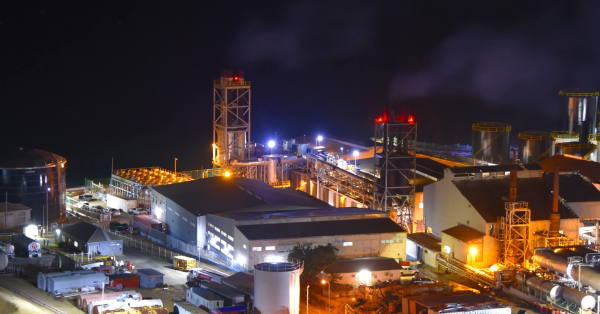 PHILIPSBURG: NV GEBE remains in negotiations with Finnish engine manufacturer Wärtsilä as the utility evaluates its future power generation needs, with the government warning that switching suppliers could pose operational risks to the country's electricity network.
The disclosure emerged during Friday's parliamentary debate on GEBE, where Members of Parliament questioned the government about supplier agreements, energy infrastructure, and the utility's long-term strategy for ensuring reliable electricity generation.
According to Prime Minister Dr. Luc Mercelina, GEBE is currently engaged in discussions with Wärtsilä regarding pricing and future delivery schedules, with the company expected to submit a definitive proposal by July.
The negotiations come at a critical time for the utility as St. Maarten continues to grapple with aging infrastructure, growing electricity demand and mounting public concern over energy costs.
Why GEBE is Cautious about Changing Suppliers
One of the most significant revelations during the parliamentary session was the government's explanation of why GEBE has not aggressively pursued alternative engine suppliers.
According to the Prime Minister, GEBE has indicated that introducing additional competition into the generation market is not as straightforward as it may appear.
The utility has worked with Wärtsilä for years and is deeply familiar with the company's equipment, maintenance systems, spare parts requirements and technical support network. Any transition to another supplier could introduce uncertainty regarding equipment compatibility, staff training, maintenance procedures, parts availability, and delivery timelines.
The government said these factors must be carefully evaluated before any major procurement decisions are made.
The issue is particularly important for an island utility where equipment failures can have immediate consequences for residents and businesses.
Fuel Storage Expansion Still on the Table
The debate also shed light on future plans for fuel infrastructure.
Prime Minister Mercelina confirmed that any development of new fuel storage facilities would require a formal tender process and would have to proceed in accordance with GEBE's governance and procurement requirements.
The issue has become increasingly relevant as the government examines ways to strengthen energy security and reduce vulnerabilities associated with fuel procurement and storage.
Expanding storage capacity is widely viewed as one way to provide greater flexibility in fuel purchasing and improve resilience during supply disruptions.
Government Tight-Lipped on Supplier Contracts
Members of Parliament also sought details regarding GEBE's major supplier agreements, including contracts involving fuel and water production.
However, the government declined to provide specifics.
Mercelina stated that the contracts are commercially sensitive and confidential, preventing disclosure of their terms, duration, and pricing arrangements.
The refusal is likely to fuel ongoing debate about transparency, particularly as consumers demand greater accountability in electricity pricing and fuel costs.
Seven Seas and Future Water Production
While the government maintained confidentiality regarding supplier agreements, the Prime Minister indicated that the government retains greater flexibility in concession arrangements for water production than in GEBE's internal commercial contracts.
The future of water production infrastructure is expected to become an increasingly important topic as existing agreements approach their expiration and the government considers long-term options to secure potable water supplies.
Energy Security Emerging as Central Issue
Beyond the immediate debate over electricity prices and fuel clauses, Friday's discussion highlighted a broader concern facing the country: energy security.
The questions raised in Parliament revealed that the future of St. Maarten's energy sector extends beyond tariff disputes and consumer relief. Decisions concerning engine suppliers, fuel storage facilities, infrastructure investment, and procurement strategies will ultimately determine how reliable and affordable electricity remains in the years ahead.
The ongoing negotiations with Wärtsilä therefore represent more than a commercial discussion. They form part of a larger effort to balance reliability, affordability and long-term sustainability in a utility system that remains heavily dependent on imported fuel and specialized generation equipment.
Waiting for July
For now, attention will focus on the proposal expected from Wärtsilä next month.
The outcome of those negotiations could shape future investment decisions at GEBE and influence how the utility approaches equipment procurement, maintenance planning and generation capacity expansion in the years ahead.
As Parliament continues its scrutiny of the utility company, one message emerged clearly from Friday's debate: while consumers remain focused on their monthly bills, government is increasingly focused on the infrastructure and supplier decisions that will determine the future stability of the country's power system.