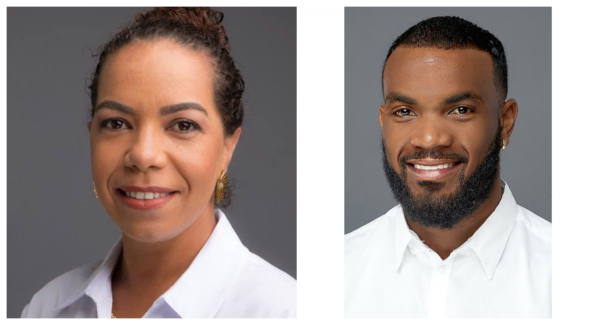
 PHILIPSBURG:--- The dramatic parliamentary vote on a motion of disapproval against Prime Minister Dr. Luc Mercelina not only sent a warning shot to the current administration but also exposed a significant fracture within the Party for Progress (PFP) faction. In a move that signals a deep internal divide, PFP faction leader MP Raeyhon Peterson voted in favor of the motion, while his colleague, MP Ludmilla de Weever, voted against it, siding with the coalition to save the Prime Minister from censure.
The session, called to address the government's handling of the crisis facing fire and ambulance personnel, became a defining moment for the PFP. MP Peterson took a hardline stance, aligning with the opposition to formally disapprove of the Prime Minister’s leadership on the issue. His vote was a clear declaration of his dissatisfaction with the administration's performance and its failure to resolve the long-standing grievances of the nation's emergency responders. This move positioned him as a staunch critic of the government's current path, reflecting a belief that strong political action was immediately necessary.
In stark contrast, MP Ludmilla de Weever broke ranks with her faction leader. Despite publicly stating during the debate that she holds a "soft spot in her heart" for the firefighters, her vote ultimately helped defeat the motion. Her decision suggests a different political calculation, prioritizing government stability or perhaps disagreeing with the confrontational tactic of a disapproval motion at this time. While her words expressed empathy for the workers' struggles, her actions provided a crucial vote that protected the Prime Minister, highlighting a fundamental disagreement with her faction leader on how to hold the government accountable.
This public split reveals more than just a difference of opinion; it points to a potential ideological rift within the PFP. One member, the faction leader, saw the moment as a critical juncture requiring a formal rebuke of the government. The other saw it as a time for a different approach, even if it meant appearing to contradict her stated sympathies for the emergency personnel. This divergence in strategy raises questions about the party's unified vision and its role as a political force.
For the PFP, the implications are significant. The split vote weakens its image as a cohesive unit and could complicate its political maneuvering moving forward. As the crisis with emergency services continues to unfold, the party will need to reconcile these differing approaches to effectively advocate for solutions. The division between Peterson’s hardline opposition and de Weever’s more measured, coalition-aligned vote leaves voters and political observers questioning the PFP's internal strength and its ultimate direction in the turbulent political landscape.