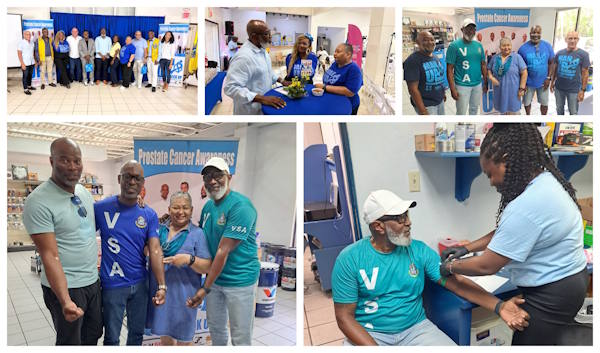
 PHILIPSBURG:--- Minister of Public Health, Social Development and Labor Claret Connor spent Saturday, September 19, 2026, focused on men's health, participating in two key prostate cancer awareness initiatives to encourage men in Sint Maarten to take greater responsibility for their health.
The Minister, accompanied by the two male members of his Cabinet, joined the ongoing “Man UP, Check UP” prostate cancer awareness campaign earlier in the day, participating in PSA testing at NAPA Auto Parts on A. Th. Illidge Road.
The campaign encourages men to take a proactive approach to their health through early detection, education and regular health checks.
Leading by Example
Minister Connor said that participating in the screening was about more than simply lending support to the campaign.
“As leaders, we have to be willing to lead by example. We cannot encourage our men to take care of their health if we are not prepared to do the same ourselves.”
The Minister said he was particularly encouraged by what he witnessed at the screening location.
He was pleased to see men from all walks of life standing in line to take advantage of the opportunity to get tested, demonstrating that men's health is a concern that crosses age, profession, background and social circumstances.
The Minister later learned that more than 500 men had already been tested as part of the campaign, a development he described as encouraging and an indication of the importance of continuing to make health screening accessible and visible within the community.
“Seeing so many men come out and take that step is exactly what initiatives like Man UP, Check UP are about,” Minister Connor said. “We have to remove the idea that going for a health check is a sign of weakness. It is the opposite. Taking responsibility for your health is strength.”
More Opportunities to Get Screened
Minister Connor emphasized that the opportunity for men to take action does not end with Saturday's screening.
Additional PSA screenings will take place on Friday, September 25, at St. Maarten Medical Center (SMMC).
The Minister is encouraging men who have not yet taken advantage of the screening opportunities to make use of this opportunity and take a proactive step toward their health.
“I encourage our men not to wait and not to assume that because they feel healthy, they do not need to get checked,” Minister Connor said. “If you have not yet taken advantage of the screening opportunities, look out for the upcoming dates and make the time to get checked.”
He also encouraged men to look out for additional screening dates and other prostate cancer awareness activities throughout the remainder of September, noting that Prostate Cancer Awareness Month will continue to feature activities focused on education, prevention, early detection and men's health.
“This month is full of opportunities for our men to learn, ask questions and take action,” the Minister said. “I encourage every man to look out for the upcoming activities and find an opportunity that works for you. Man UP. Check UP.”
From Screening to Conversation
The Minister's day continued that evening with his participation in “Let’s Talk About Sex 4 – Prostate Cancer Awareness,” a Men's Night Out organized by the ELEKTRAlytes Foundation and Positive Foundation.
The event brought men together in an informal setting for conversation, education, and fellowship around prostate cancer and men's health.
Addressing those gathered, Minister Connor thanked ELEKTRAlytes and the Positive Foundation for continuing to create opportunities for men to engage in open conversations about their health.
“Tonight is Men's Night Out,” the Minister said. “We are going to hang out, learn, and mingle, but most importantly, we are going to be amongst each other. Sometimes simply having the opportunity to sit down with other men and talk openly can make all the difference.”
He encouraged men not to wait until they experience symptoms before paying attention to their health.
“Man UP. Check UP. Take care of yourself.”
Health Professionals and Community Partners Recognized
Minister Connor expressed his appreciation to the professionals who participated in the prostate cancer awareness panel:
Dr. Diego Ramos, Urologist, St. Maarten Medical Center
Dr. Carlos Rojas, Urologist, St. Maarten Medical Center
Karen Eusebius, Dietitian
Solens Dornezon, Health and Fitness Coach
He also recognized the contribution of the hardworking staff of the Collective Prevention Service (CPS), noting the continued commitment of civil servants who work to bring public health initiatives into the community.
“Our civil servants continue to work behind the scenes and on the ground to push important public health initiatives and ensure that health awareness reaches our communities,” Minister Connor said. “Their work matters, and on behalf of the Ministry, I thank them.”
The Minister also thanked the Sint Maarten Lions Club for its continued community involvement and for making its clubhouse available for the Men's Night Out event.
A Shared Responsibility
Minister Connor emphasized that improving men's health cannot be the responsibility of government or healthcare professionals alone.
“Community organizations, healthcare professionals, government and residents all have a role to play in creating a healthier Sint Maarten,” he said.
The Minister encouraged men to continue the conversation beyond the campaign events and to encourage their fathers, brothers, sons, friends and colleagues to take their health seriously.
“Don't wait until there is a problem,” Minister Connor urged. “The goal is not simply to live longer. The goal is to be there — healthy, present and strong — for the people who depend on the people we love and us.”
The Ministry of Public Health, Social Development and Labor continues to support initiatives that promote prevention, early detection, health education and greater awareness of men's health issues.
Man UP. Check UP.
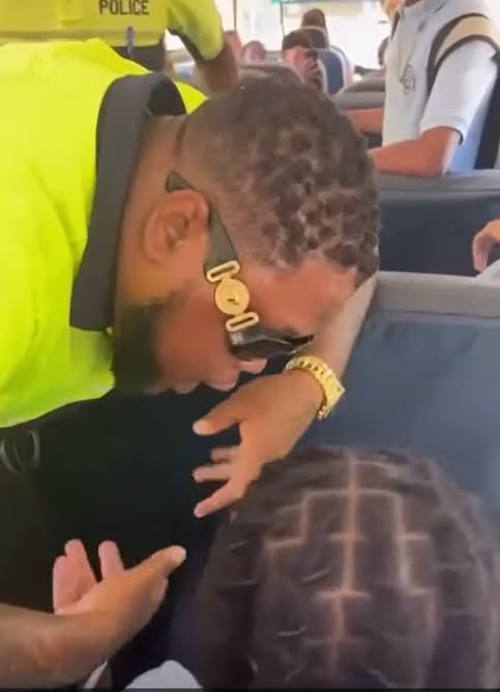 PHILIPSBURG:---A police officer who confronted a 17-year-old on a school bus has been suspended while the Police Force of Sint Maarten (KPSM) reviews his conduct. The video has sparked a difficult question: What happens when an officer tries to correct a young person’s behavior, but the encounter itself raises concerns about how police should act?
 PHILIPSBURG:--- An off-duty police officer interrupted an attempted robbery near Market Garden Supermarket at about 4:00 a.m. Sunday. One suspect was arrested. He is a minor.
 MARIGOT:--- As France confronts anger over fuel prices and the cost of living, Saint Martin has an urgent question of its own: what is being done to help the island produce more of the food its people eat?
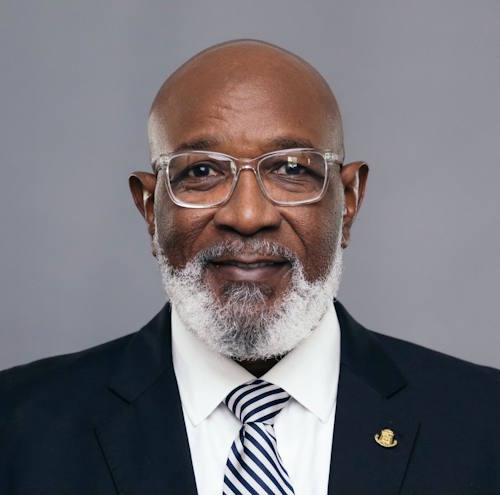 PHILIPSBURG:--- The Minister of Public Health, Social Development and Labor (Minister VSA) Claret Connor said on Sunday that the world will be observing World Alzheimer's Day on September 21, 2026, under the international theme: "The Earlier You Know, The More You Can Do: A Dementia Diagnosis Matters."