~Worker identifies recruiter only as “Abel,” says he is still owed $200 and the return of his rake after completing publicly related cleaning work~
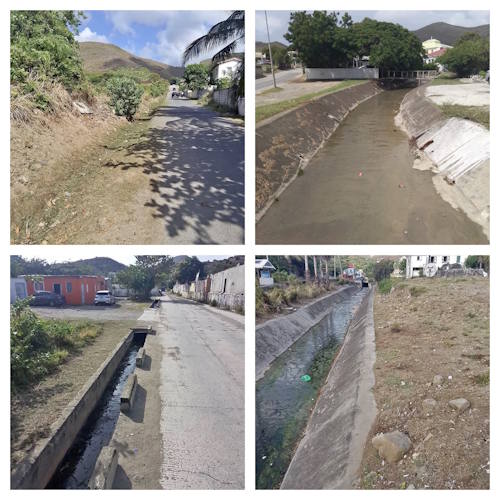 PHILIPSBURG:--- Nearly one week after SMN News exposed allegations that workers were recruited informally to perform cleaning work connected to VROMI and were then left unpaid, at least one worker says nothing has changed.
No payment. No explanation. No accountability.
In a new statement provided to SMN News on Friday morning, the worker said he is still owed $200 for cleaning a trench in Dutch Quarter. He also claims that the person who recruited him has failed to return his rake—an essential tool he needs to secure other work and support his family.
“Another week gone and I hear nothing from him,” the worker said.
The worker identified the person who allegedly recruited him only by the first name “Abel.” However, he said he still does not know the name of the company holding the government contract, the principal contractor involved, or the person ultimately responsible for the assignment.
“I don’t know the boss man's name,” he explained. “I don’t know who has the contract from the government, from VROMI, to clean the trenches in Dutch Quarter.”
That statement deepens the concerns first raised by SMN News regarding the apparent use of unidentified intermediaries to recruit vulnerable workers for government-related projects without contracts, purchase orders, or documentation showing who is responsible for paying them.
Worker demands his money and equipment
The worker said he completed the trench-cleaning work and has photographs showing what he did. Yet he still cannot collect the money allegedly promised to him.
“I want my money. My $200, and I want my rake,” he said repeatedly.
He added that the missing rake is preventing him from properly pursuing other jobs.
“I have to look for another way to do my job now,” he said. “It’s not fair.”
The worker said he does not know whether the two other men who reportedly participated in the work have been paid. He emphasized that he was speaking only about his own outstanding payment and equipment.
“I got bills to pay. I got three children. I don’t work for free,” he said.
His statement should disturb every official responsible for supervising public contracts. A government-related cleaning programme cannot be permitted to operate through a shadowy chain in which the workers know only the first name of the person recruiting them, while the identity of the principal contractor remains hidden.
Was the contractor paid while the worker was abandoned?
VROMI must now determine whether the Dutch Quarter trench-cleaning work was performed under one of the ministry’s existing contracts and, if so, identify the company responsible for that zone.
The ministry must also disclose:
- Which contractor was assigned to clean the trench in the Dutch Quarter?
- Is a person identified as “Abel” employed by or subcontracted to that company?
- Was VROMI aware that workers were being recruited informally?
- Did the ministry authorize any subcontracting arrangement?
- Has the government already paid the contractor?
- What safeguards exist to ensure workers performing government-financed labor receive their wages?
- Why was a worker allowed to complete the assignment without knowing the legal identity of the company responsible for paying him?
SMN News previously reported that the government’s trench-cleaning contracts were valued at slightly more than Cg 2.8 million, covered four zones and ran for 36 months beginning September 1, 2024. The contracts reportedly cover the maintenance of trenches, drains, grills and culverts.
If the work in Dutch Quarter falls under one of those multimillion-guilder contracts, there should be no mystery surrounding who holds the contract, who supervised the work and who must pay the laborers.
Public contracts cannot operate like street deals
The worker said vegetation is already growing back in the area and believes the person who recruited him will eventually have to return.
“The grass is growing back, and they have to cut,” he said.
That is hardly a proper system of accountability. A worker should not have to wait on the side of the road or search Dutch Quarter hoping to encounter the person who owes him money.
Government contracts are paid with taxpayers’ money. They cannot be treated as private hustles passed from one unidentified person to another while the laborers doing the hardest and dirtiest work are abandoned.
Someone received—or expects to receive—public money for maintaining these areas. Yet the worker who entered the trench, performed the labor, and used his own equipment says he cannot collect $200 or even recover his rake.
Minister of VROMI Patrice Gumbs Jr. and the ministry cannot continue treating this as someone else’s problem. If an authorized contractor was involved, VROMI must identify that contractor and demand payment to the worker. If no authorized contractor was involved, then the ministry must explain how individuals were allowed to perform work presented as government-related trench cleaning without official supervision or documentation.
This is no longer simply a complaint about delayed payment. It tests whether VROMI knows who is performing publicly financed work, who is collecting the money, and whether people at the bottom of the contracting chain have any protection at all.
The worker has made his position clear:
He wants his $200. He wants his rake. And he refuses to work for free.
VROMI must now tell the public who is responsible.