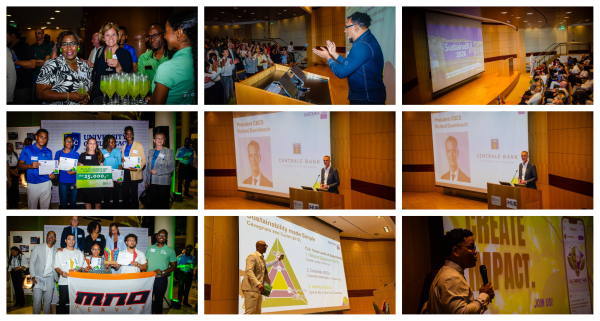
 WILLEMSTAD, Curaçao:--- Sustainability, resilience, and innovation took center stage as Centrale Bank van Curaçao en Sint Maarten hosted the fourth edition of the UoC SustainaBUL Awards 2026, an initiative designed to empower students to solve real-world sustainability challenges.
Delivering the opening remarks, Richard Doornbosch welcomed guests, students, board members, and partners, emphasizing the importance of youth-driven solutions in addressing the pressing environmental and economic issues facing small island states.
The SustainaBUL Awards focus on accelerating the sustainable transition of the economy, government, and wider society. According to Doornbosch, the program offers a “double-edged sword” of benefits: students gain unforgettable learning experiences while organizations receive innovative solutions to their sustainability challenges.
This year’s competition placed special attention on the construction and tourism sectors—two pillars of Curaçao’s economy that are also highly exposed to climate risks. Their vulnerability, combined with their economic importance, made the initiative especially relevant for the central bank’s own climate-related priorities.
Doornbosch explained why a central bank has a growing interest in sustainability and climate resilience. In recent years, the global economy has faced a series of shocks, including the COVID-19 pandemic, geopolitical conflicts, surging food and energy prices, supply chain disruptions, and cyber incidents. He noted that these events underscore the need for resilience—and warned that climate-related shocks could be just as disruptive for small island economies.
As the institution responsible for safeguarding financial stability, the central bank is increasingly focused on understanding how climate risks can affect financial institutions, markets, and national resilience. This includes monitoring systemic risks, conducting research, and developing policies that strengthen preparedness.
Doornbosch also highlighted the importance of partnerships. The bank works with organizations such as the Curaçao Meteorological Services to obtain reliable climate data and collaborates regionally with other central banks on initiatives such as green taxonomies and supervisory guidance for responsible finance.
He praised University of Curaçao for its leadership in sustainability education, citing past events like Green Week and its continued commitment to fostering young talent through the SustainaBUL program.
Looking ahead, Doornbosch said collaboration between institutions, academia, and society is essential to building a stronger future. He expressed confidence that initiatives like SustainaBUL can help shape a more robust national adaptation strategy for Curaçao while strengthening the island’s long-term resilience.
Closing his remarks, he turned to the student participants with encouragement and optimism: he looked forward to their pitches and wished every team success in contributing to a more sustainable Curaçao.