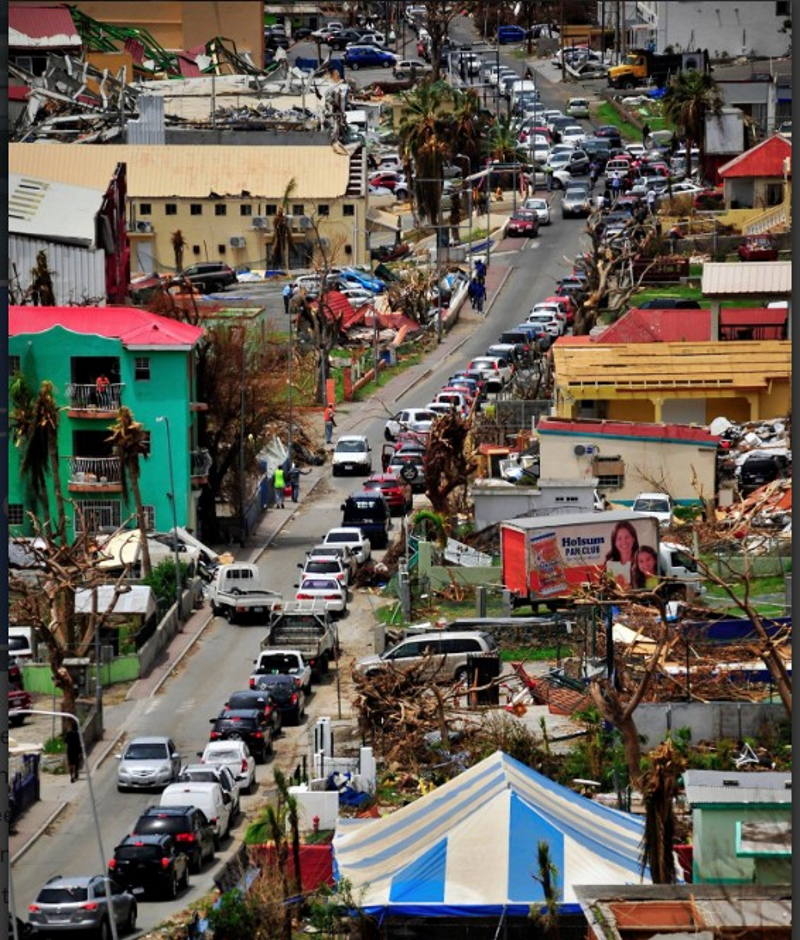
 PHILIPSBURG:--- The daily commute in St. Maarten has become a showcase of chaos and neglect. On this 37-square-mile island, residents and visitors alike are trapped in a transportation nightmare, a problem that has been building for years while those in power look the other way. The frustration is boiling over, and it's time to call out the failures that have led us to this gridlocked state.
Every day, we witness the blatant disregard for road safety. Bus drivers, in a constant battle for fares, stop dead in the middle of the road to let passengers on and off. They effectively block traffic, preventing competitors from overtaking them and creating dangerous situations and infuriating delays for everyone else. This isn't just poor driving; it’s a symptom of a system with no oversight and no consequences.
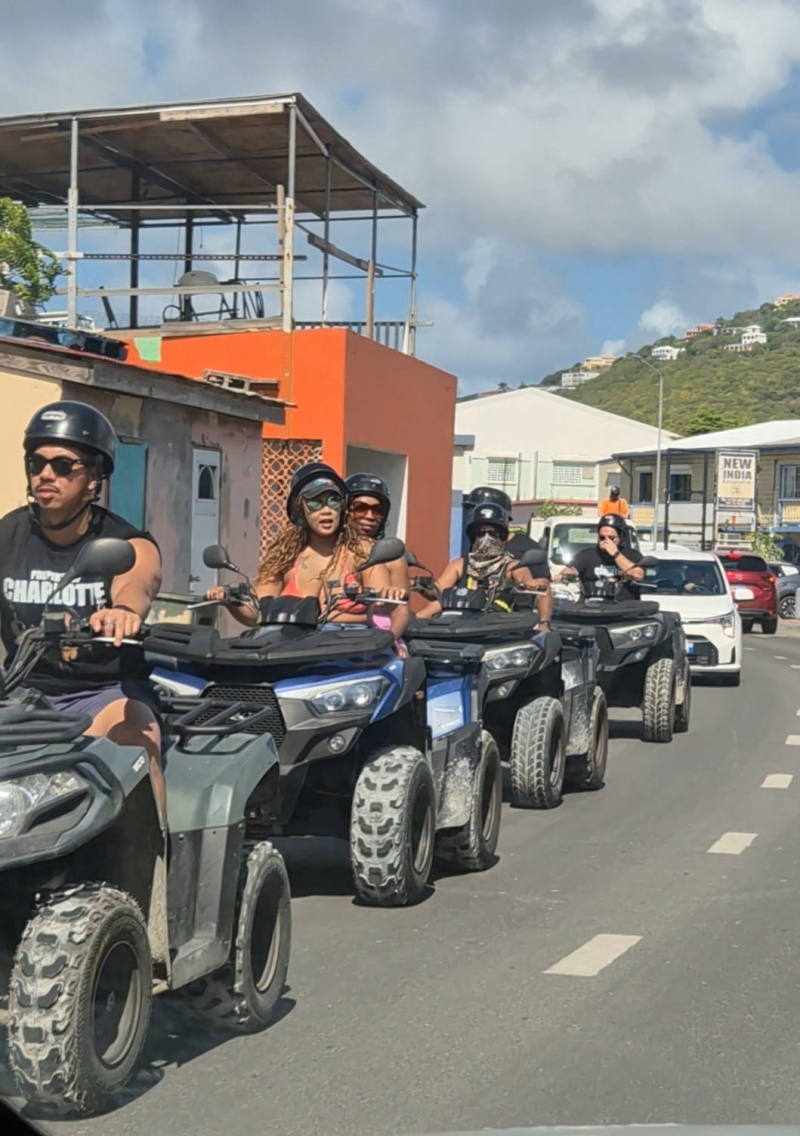 The tour industry adds another layer to this dysfunction. All-terrain quads, designed for hillsides and rugged paths, are now a common sight on public roads, herded by tour guides who halt traffic to keep their convoys together. We also see three-wheeled vehicles, utterly unsuited for our steep hills, struggling to climb slopes and causing long tailbacks. One has to ask: Who is issuing the licenses for these operations? It appears the Department of Economic Affairs has failed to conduct even the most basic due diligence, handing out permits without considering the suitability of the vehicles or their impact on our roads. The fact that many of these licenses reportedly land in the hands of former politicians and their families only deepens the sense of injustice.
Let's not forget the massive tour buses—especially the double-decker giants—many of which are linked to sitting politicians and their relatives. These oversized vehicles don’t just clog our already narrow streets; they make a bad situation worse. Their towering size exacerbates congestion, blocks drivers’ views at intersections and crosswalks, and introduces new safety hazards on roads that were never designed for such heights or turning radii. On tight corners and crowded lanes, double-decker buses become moving obstacles, making it even harder for emergency vehicles and everyday commuters to get through. The same questions of conflict of interest and preferential treatment arise.
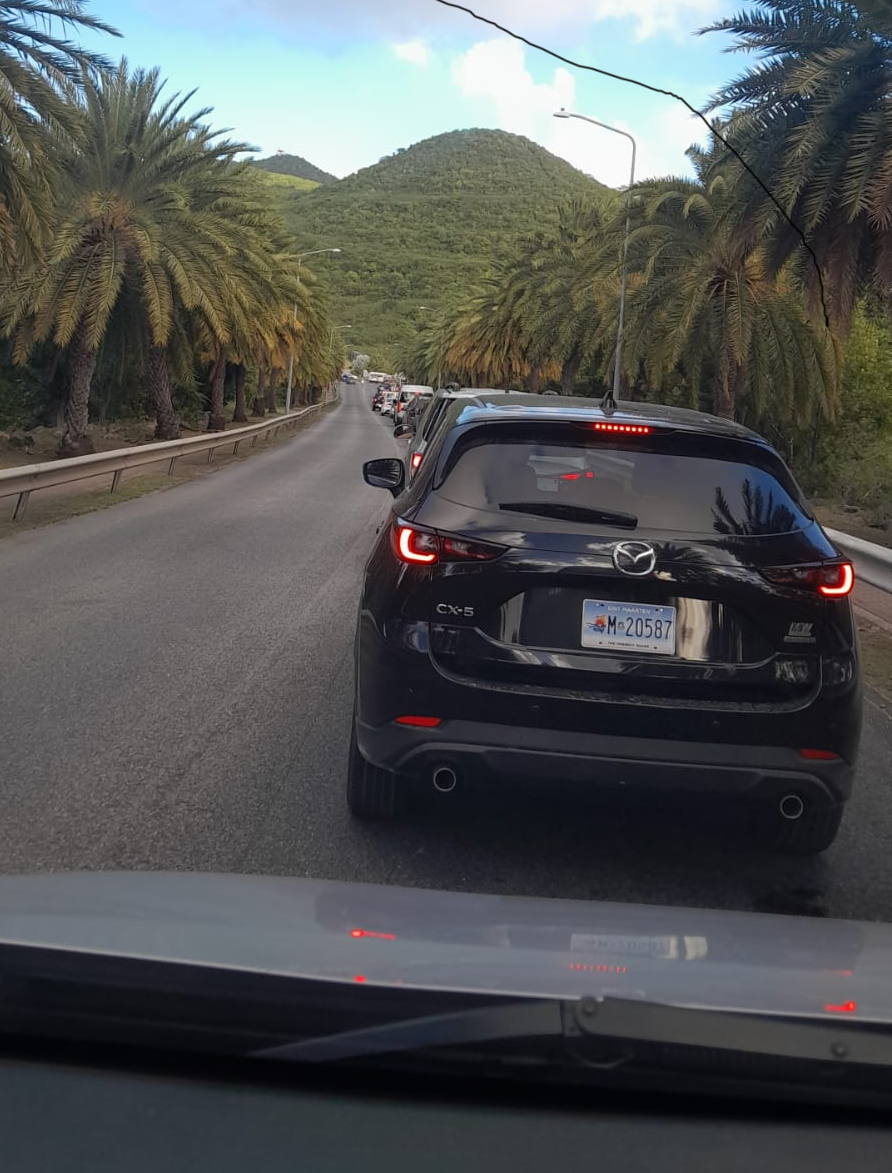 Then there is the issue of heavy equipment. A ban was once in place to keep these large vehicles off public roads during peak hours. This ban was sensibly lifted after Hurricane Irma to aid in the cleanup and rebuilding efforts. However, years have passed, and the island is largely rebuilt. Did the minister who lifted the ban forget to reinstate it? Or was it left as a permanent exemption to benefit connected individuals? The result is the same: more oversized vehicles on the road when traffic is at its worst.
Since St. Maarten gained its new country status in 2010, the number of vehicles has exploded. Hundreds of rental cars from both sides of the island flood our roads daily. Yet, in all that time, how many new roads have been built to handle this massive increase in volume? The answer is embarrassingly few. Promises from politicians to alleviate traffic congestion have proven to be hollow. Those who once criticized former leaders for "tunnel vision" now seem to have no vision at all, as potholes multiply and traffic jams stretch for miles.
Amidst this motorized chaos, a different kind of movement is gaining traction. The local bicycle crew, a growing community of cycling enthusiasts, is actively promoting two-wheeled transport as a viable solution to the island's gridlock. They organize group rides and advocate for a more pedal-powered lifestyle, demonstrating that not every journey requires a car. However, their commendable efforts are consistently undermined by the island's hazardous infrastructure. With a severe lack of dedicated bike lanes, cyclists are forced to navigate the same congested and crumbling roads as cars and buses, putting their safety at risk. Despite these dangers, their presence on the streets serves as a powerful symbol of resilience and a glimpse into a greener, more sustainable future for St. Maarten's transportation.
The daily grind of navigating St. Maarten's roads is more than an inconvenience; it is a direct result of failed governance, a lack of planning, and a system that seems to prioritize personal connections over public welfare. The people of St. Maarten are tired of the empty promises and the visible decay of our infrastructure. We are stuck in traffic, and it's time to hold those in charge accountable for this mess.